
Digital Transformation in Lower-Middle-Market Portfolio Companies: Turning Technology Into Operational Momentum
Digital transformation initiatives in lower-middle-market portfolio companies often begin with operational friction. When technology environments are modernized strategically, they can unlock operational visibility, improve execution, and support scalable growth.
Digital transformation has become one of the most reliable drivers of operational improvement in lower-middle-market portfolio companies. As businesses scale through acquisition and operational complexity increases, technology infrastructure becomes critical to maintaining operational visibility, efficiency, and decision-making speed.
Key Insights for Investors
- Digital transformation succeeds when it solves operational friction rather than simply introducing new tools.
- Consolidatingfragmented systems often delivers the fastest improvements in reporting visibility.
- Infrastructure modernization improves scalability and operational stability.
- Analytics capabilities enable leadership teams to make faster, data‑driven decisions.

Leadership Perspective
In many portfolio company environments, these issues become visible only after the deal closes. Reporting that appeared functional during diligence may rely on manual exports across multiple systems. Leadership teams often discover that operational metrics require significant manual reconciliation before they can be trusted. These conditions rarely stop deals from moving forward, but they frequently slow integration initiatives and delay operational improvements during the early stages of the hold period.
Operational Friction and Technology Architecture
Many LMM companies operate multiple disconnected systems for finance, operations, and customer management. These fragmented environments limit reporting visibility and slow decision‑making. Digital transformation initiatives often begin by consolidating systems and establishing a unified data environment that supports operational transparency.
Infrastructure Modernization
Legacy infrastructure frequently becomes a constraint during periods of growth. Modernizing infrastructure through scalable environments improves system stability, reduces operational disruptions, and enables faster deployment of applications.
Cybersecurity and Value Protection
Cybersecurity maturity is increasingly important for protecting enterprise value. Lower middle market companies often face rising cyber threats while operating with limited security resources. Strengthening cybersecurity architecture reduces operational risk and improves buyer confidence during exit processes.
Analytics and Decision‑Making
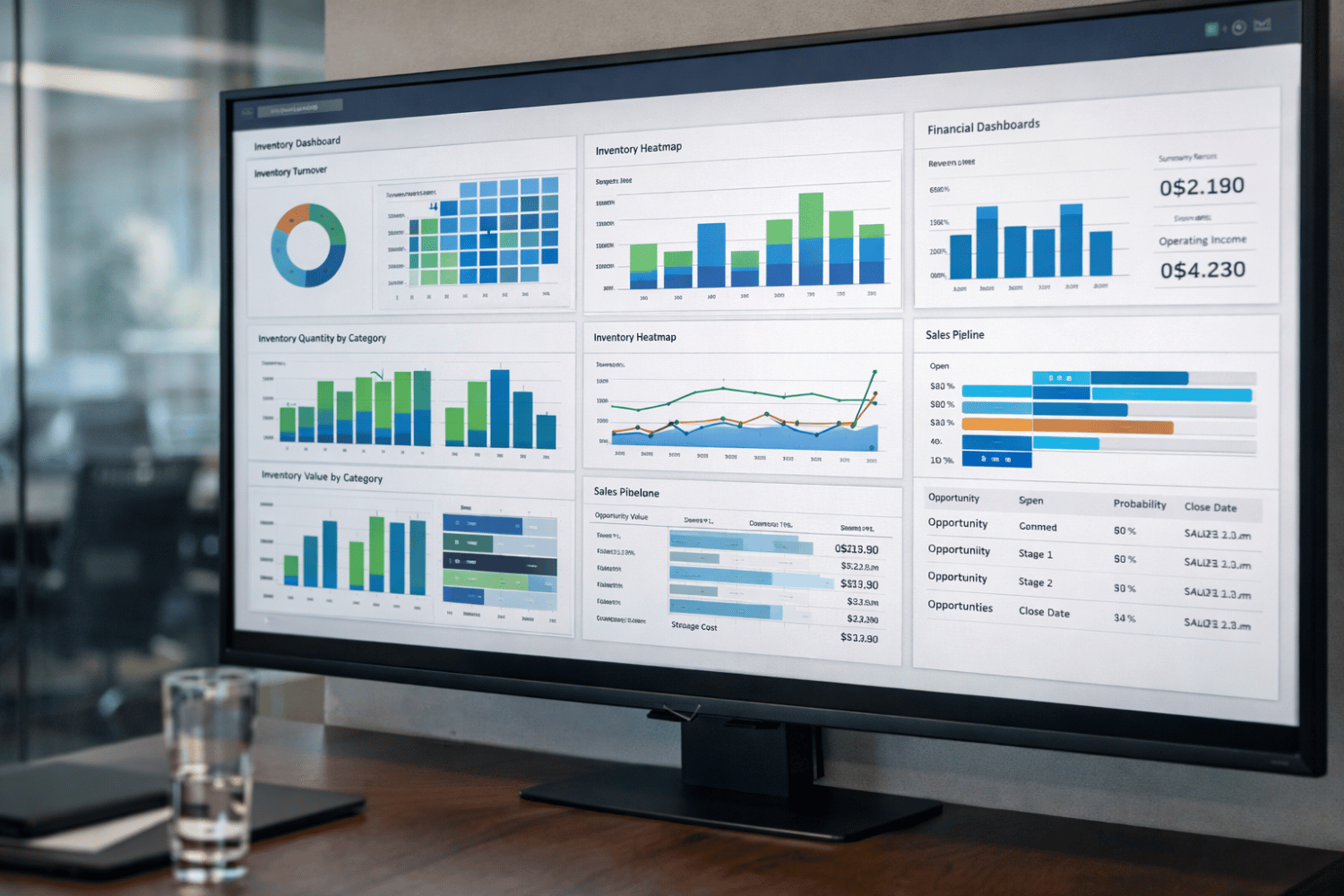
As systems become integrated, companies gain access to more reliable operational data. Analytics initiatives transform this data into actionable insight, enabling leadership teams to monitor performance trends, improve forecasting, and respond faster to operational challenges.
How This Connects to Quality of Tech (QoT™)
Successful digital transformation requires a clear understanding of the technology environment supporting the business. IT Ally’s Quality of Tech (QoT™) framework provides investors with a structured way to evaluate technology maturity across portfolio companies and identify initiatives that support operational improvement and long‑term value creation.
Conclusion
Digital transformation becomes a strategic advantage when technology initiatives align with operational priorities and the underlying investment thesis.
Evaluate Technology Across Your Portfolio
Operating partners increasingly rely on technology visibility to support execution across portfolio companies.
Run the Quality of Tech (QoT™) diagnostic assessment to identify technology risks and opportunities that may impact operational performance and value creation.
Contact IT Ally and run the QoT™ diagnostic assessment to evaluate your technology environment.
FAQs
What does digital transformation mean for lower middle market portfolio companies?
In lower middle market portfolio companies, digital transformation typically involves improving the technology environment that supports daily operations. This may include consolidating fragmented systems, modernizing infrastructure, improving reporting visibility, and strengthening cybersecurity. The goal is to create a technology foundation that supports operational efficiency, scalability, and informed decision-making.
Which technologies typically have the greatest impact during a portfolio company turnaround?
Several technology initiatives often deliver meaningful operational improvements, including modern ERP systems, consolidated CRM platforms, cloud-based infrastructure, and stronger cybersecurity architecture. As companies mature, improved analytics and data environments can also support better forecasting and operational insight.
How does digital transformation improve operational efficiency?
Digital transformation improves efficiency by eliminating manual processes, integrating data across systems, and modernizing legacy environments. When reporting becomes more reliable and systems are better connected, leadership teams gain clearer visibility into performance and can make faster operational decisions.
How should investors evaluate the return on digital transformation initiatives?
Investors typically evaluate digital transformation through both operational and financial outcomes. These may include improved reporting accuracy, reduced operating costs, stronger cybersecurity posture, faster decision-making, and improved scalability as the business grows.
Why is cybersecurity modernization important during a turnaround?
Cybersecurity modernization helps protect operational continuity and enterprise value. Strengthening security architecture reduces risk, supports regulatory compliance, and increases buyer confidence during exit diligence.
What is the Quality of Tech (QoT™) framework?
The Quality of Tech (QoT™) framework is IT Ally’s methodology for evaluating the technology environment supporting a business. It provides investors and operating partners with structured insight into technology maturity across areas such as infrastructure, cybersecurity posture, system architecture, and data environments.
By evaluating these factors, QoT™ helps investors identify technology risks early, prioritize initiatives that support operational improvement, and better understand how technology may influence value creation across the investment lifecycle.

