
Beyond Cost Cutting: Shifting from Efficiency to Growth Through Technology in LMM PE
In the world of lower middle market (LMM) private equity (PE), moving beyond cost‑cutting is essential for growth. What growth could you unlock if AI handled due‑diligence overnight? Increasingly, firms are using technology to pivot from pure efficiency plays to value‑creation engines. This article shows how LMM PE teams leverage AI, advanced analytics, ERP systems, and cybersecurity to spark expansion and resilience. You’ll see practical ways to optimize performance and uncover new opportunities—without losing sight of disciplined cost management.
Key Takeaways
- Private equity firms are prioritizing technology integration over cost-cutting to drive growth in lower middle market companies, emphasizing the importance of AI, advanced analytics, and cybersecurity.
- The adoption of digital tools, such as ERP systems and Agentic AI, is essential for enhancing operational efficiency, reducing costs, and enabling lower middle market companies to focus on strategic growth initiatives.
- Investing in cutting-edge technologies and fostering a culture of continuous improvement allows lower middle market companies to achieve sustainable growth, optimize capital use, and enhance their market position.

Leveraging Technology for Growth in Lower Middle Market PE
Private equity firms are increasingly recognizing the transformative potential of technology in driving growth rather than merely focusing on cost-cutting measures. Integrating AI, advanced analytics, and cybersecurity enhances the capabilities of lower middle market companies, optimizing performance and unlocking significant growth potential. This shift towards technology-driven strategies focuses on creating value and improving performance metrics, leading to substantial returns for private equity investors through bolt on acquisitions.
Modern technologies like AI and Big Data are instrumental in reducing investment risks and providing valuable insights for growth strategies. These tools empower lower‑middle‑market companies to make informed decisions, streamline operations, and spot new growth opportunities, positioning them for sustainable expansion in a competitive market. Additionally, many LMM firms now apply these advances across their portfolios, turning data into action at speed.
Next, we examine specific technologies and how they sharpen strategic decision‑making and operational excellence.
AI and Analytics for Strategic Decision-Making
The integration of AI tools into private equity practices is revolutionizing the speed and accuracy of deal sourcing. Evaluating hundreds of potential acquisition targets quickly, AI significantly enhances the efficiency of strategic decision-making. For lower middle market companies, AI helps in making data-driven choices that align with their strategic goals, thus offering a competitive edge in their respective industries.
Advanced analytics further enhance these capabilities by identifying inefficiencies and potential growth areas within operations. These technologies provide actionable insights that enable management teams to optimize operations and drive growth. The result is a more streamlined, efficient, and strategically guided approach to achieving financial objectives.
Enhancing Cybersecurity for Competitive Advantage
In today’s digital age, robust cybersecurity measures are not just about protecting assets; they are crucial for maintaining a competitive advantage. Robust cybersecurity protocols build customer trust, an asset as valuable as capital in a crowded market. Significantly reducing the risks of data breaches, these measures also enhance reputation, which is critical for lower middle market firms.
Moreover, a robust cybersecurity framework can provide a significant competitive edge by ensuring operational improvements and safeguarding the company’s digital transformation efforts. This strategic guidance helps companies build a strong market position and capitalize on growth opportunities in an increasingly digital and competitive market environment.
Operational Efficiency Improvements Through Digital Tools
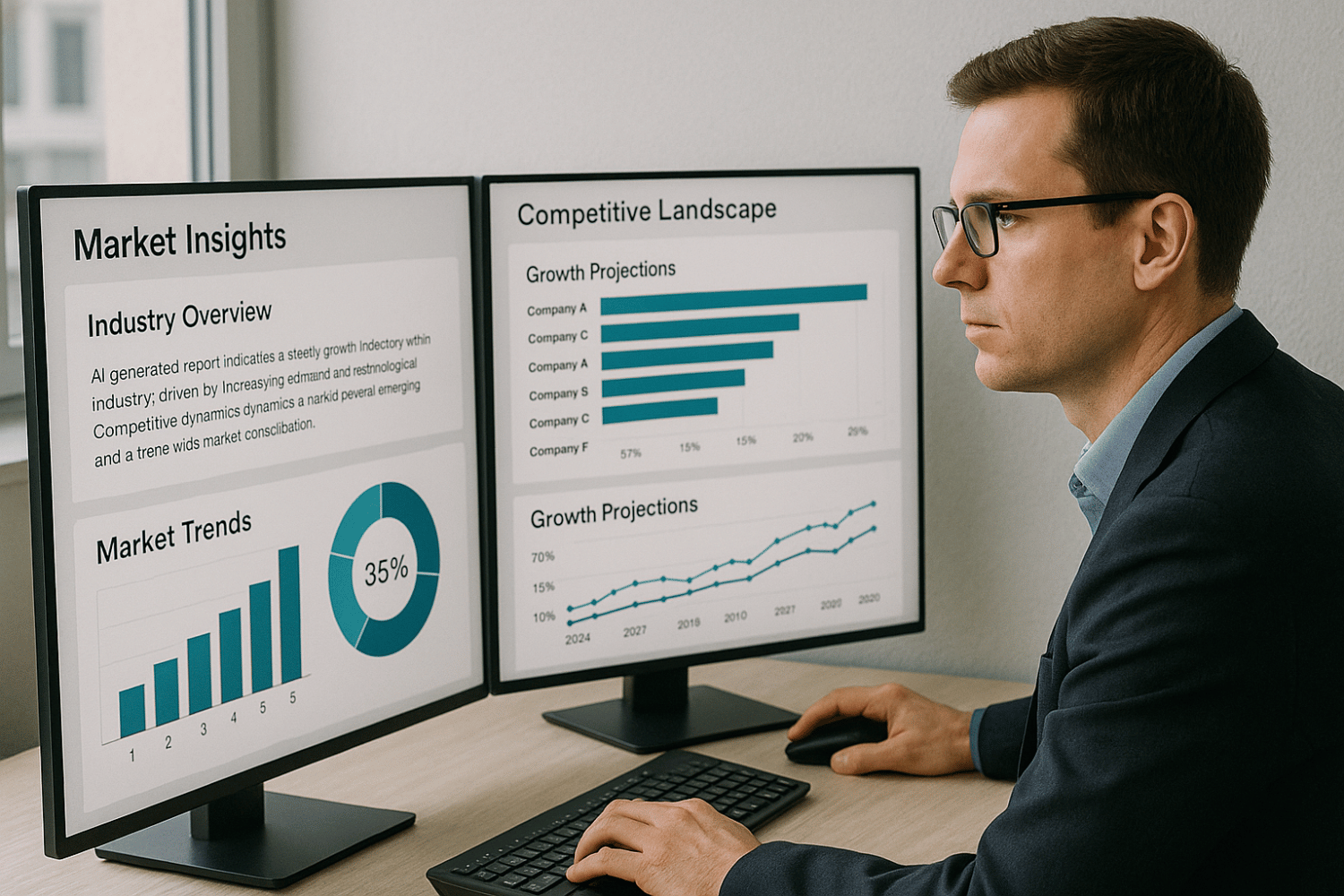
As technological advancements become essential for enhancing operational efficiencies, private equity firms are increasingly investing in digital tools to streamline decision-making processes. Such tools are crucial for lower middle market companies to reduce manual workflows and improve productivity. Adopting digital transformation initiatives, these firms can achieve operational support that enhances efficiency and drives growth initiatives.
Digital tools strip out redundant steps and boost productivity, giving operators a tangible edge where operational synergies matter most. The adoption of these technologies allows management teams to focus on strategic objectives, thereby driving revenue growth and optimizing overall performance.
The following subsections will explore specific digital tools that contribute to these operational improvements.
Implementing ERP Systems for Better Integration
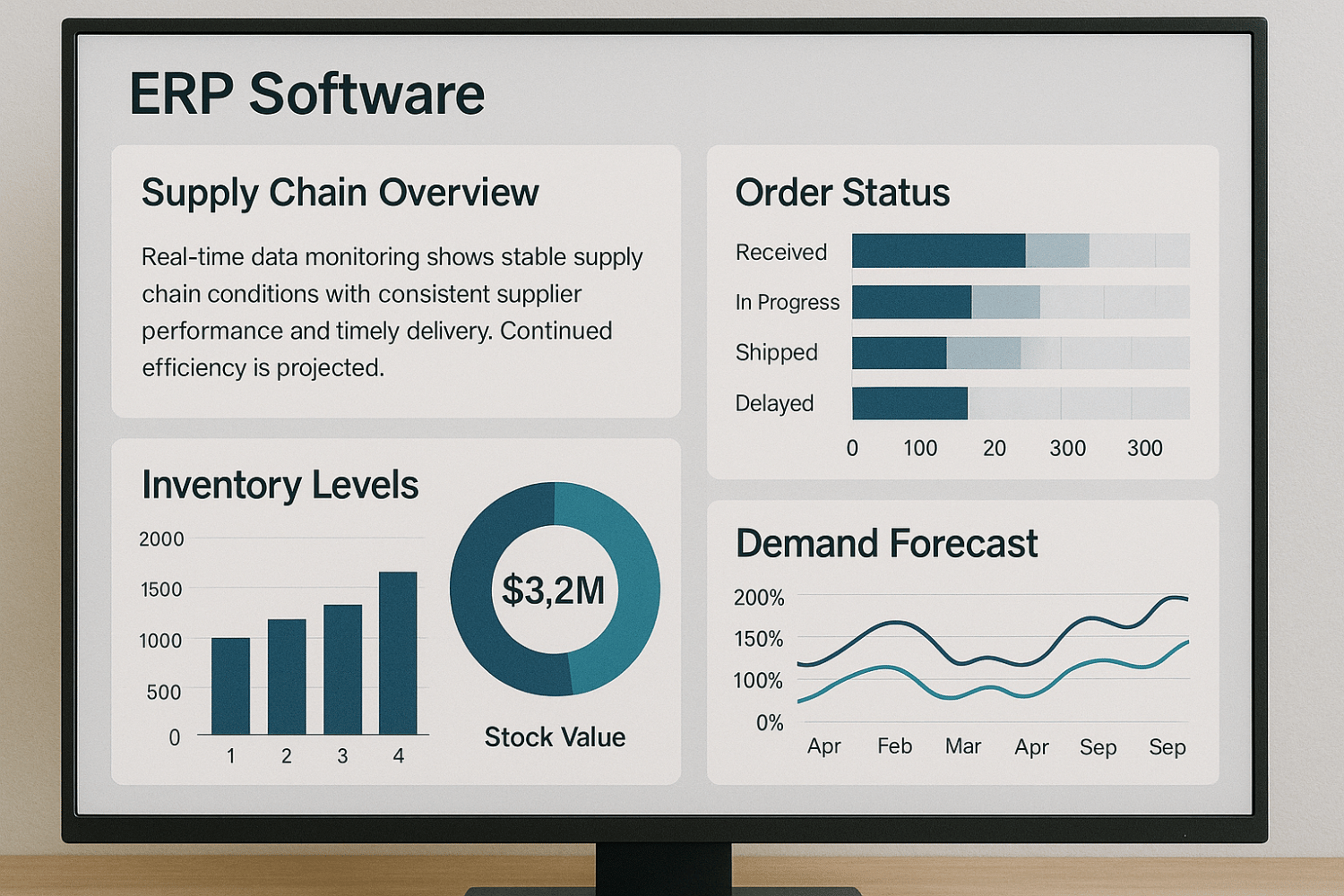
Enterprise Resource Planning (ERP) systems offer a unified platform that streamlines various business operations and enhances overall data management. Modern ERP systems improve data visibility and integrate multiple business functions, leading to more informed decision-making and operational improvements. Centralizing information, these systems provide operational synergies crucial for lower middle market companies and large enterprises.
The integration of ERP systems allows businesses to optimize inventory management and other key functions, which is especially beneficial for mid-sized businesses and those transitioning from legacy systems. This unified approach not only enhances visibility across departments but also supports better strategic guidance and growth initiatives.
Leveraging Agentic AI for Efficiency, Innovation, and Competitive Advantage
Agentic AI is rapidly becoming a transformative force for lower middle market companies, offering unprecedented opportunities to reduce operational costs, increase efficiency, and unlock new value. Unlike traditional automation tools, Agentic AI doesn’t just follow static rules—it can autonomously analyze data, make context-aware decisions, and execute complex workflows across multiple systems. This allows companies to move beyond basic task automation into dynamic, adaptive operations that evolve with changing business conditions.
By delegating repetitive, time-consuming, and cognitively demanding work to AI agents, management teams can focus their energy on strategic growth initiatives. Agentic AI can handle everything from customer service interactions and document processing to supply chain optimization and predictive maintenance—dramatically reducing errors and accelerating cycle times.
AI-powered systems can streamline operations at scale, cutting operational workloads by significant margins and enabling teams to focus on high-impact, revenue-generating activities. This not only enhances productivity but also drives innovation, operational resilience, and long-term growth, positioning companies to stay ahead in an increasingly competitive marketplace.
Driving Revenue Growth with Technology-Driven Strategies
Technology-driven strategies are instrumental in enhancing revenue growth for lower middle market companies. Leveraging digital transformation initiatives, these companies can identify and capitalize on emerging market trends, unlocking significant growth opportunities. Investment in research and development is crucial for fostering innovation and developing breakthrough products that drive annual revenues growth. Additionally, implementing effective pricing strategies can further optimize their financial performance, creating diverse revenue streams.
These technological advancements not only improve operational efficiency but also optimize capital use, allowing companies to stay competitive and achieve sustained growth. The following subsections will explore how data insights and digital tools contribute to expanding into new markets and personalizing customer experiences.
Expanding into New Markets with Data Insights
Data analytics play a pivotal role in helping lower middle market companies identify and assess potential new market opportunities under varying market conditions. Revealing customer preferences and needs, these tools enable consumer goods companies to tailor their offerings and market entry strategies effectively, maximizing market share and revenue growth.
For instance, data analytics can uncover niche markets with significant growth potential, allowing companies to strategically expand their market position. This approach not only enhances competitive advantage but also provides actionable insights that drive successful market expansion and value creation opportunities.
Personalizing Customer Experiences with Digital Tools
Implementing Customer Relationship Management (CRM) systems is essential for personalizing customer interactions and enhancing engagement. These systems allow lower middle market businesses to automate and tailor communications, significantly improving customer satisfaction and loyalty.
Emerging technologies like AI and IoT further enhance customer retention by providing personalized experiences that resonate with individual preferences. Leveraging digital tools, companies can achieve digital maturity and drive revenue growth through improved customer experiences.

Enhancing Leadership and Team Performance with Tech Solutions
The integration of digital tools is crucial for enhancing leadership and team performance in lower middle market companies. These technologies facilitate continuous leadership development and improve teamwork, positioning companies for sustainable growth. E-learning solutions, for instance, enable leadership teams to adapt to changing market demands through continuous skill enhancement.
Leveraging technology for leadership development and team collaboration, lower middle market companies can achieve operational improvements and drive growth initiatives. The following subsections will delve into the specific tech solutions that contribute to leadership development and team efficiency.
Leadership Development through Digital Platforms
Smart leadership programs widen margins and curb turnover. Digital platforms deliver interactive, role‑specific training that equips executives to propel growth initiatives.
Executive coaching and e-learning solutions are particularly beneficial for founder-led businesses and platform companies, enabling them to achieve digital maturity and capitalize on growth opportunities. This continuous development fosters a culture of innovation and strategic guidance within the management team.
Collaboration Tools for Improved Team Efficiency
Collaboration tools are essential for enhancing communication and teamwork across different departments and locations. These tools streamline communication, enabling management teams to work more effectively and achieve operational synergies.
Cloud-based collaboration solutions, for instance, enhance real-time project management and information sharing among team members, leading to improved operational efficiency and competitive edge. By leveraging these digital tools, companies can focus on strategic objectives and drive growth initiatives.
Value Creation Through Technological Innovation
Technology is a key component in driving business growth within lower middle market companies. It fosters innovation, enhances operational efficiency, and provides a competitive edge that is crucial for long-term success. Encouraging innovation within an organization leads to increased resilience and adaptability to market changes.
Effective leadership development and collaboration, facilitated by technology, contribute to value creation and sustainable growth. By investing in cutting-edge technologies and building a culture of continuous improvement, lower middle market companies can accelerate growth, achieve significant returns, and capitalize on growth opportunities.
Building a Culture of Continuous Improvement
Creating a culture of continuous improvement is essential for organizations aiming to adapt and grow in a competitive landscape. This involves encouraging experimentation and risk-taking among employees to stimulate innovation and continuous learning.
Technology accelerates process refinement, turning incremental tweaks into outsized efficiency gains. Fostering a culture of continuous improvement enables lower middle market companies to achieve operational improvements and drive growth initiatives.
Preparing for Exit with Technology-Enhanced Planning
Advanced technologies such as AI and predictive analytics are instrumental in improving the exit readiness of lower middle market companies. These technologies enhance portfolio monitoring and financial reporting accuracy, making companies more attractive to potential buyers.
By adopting technology-driven solutions, private equity firms can streamline operations and maximize shareholder returns during the exit process. Next, we explore how to create a technology-driven exit strategy and showcase digital maturity to potential buyers.
Creating a Technology-Driven Exit Strategy
Integrating AI into private equity practices helps manage portfolio performance and prepare for strategic exits. Digital upgrades are crucial for boosting company valuations and achieving targeted returns during the exit process.
Better data improves confidence in meeting financial planning goals, and strategic data-driven strategies can help firms enter new markets and generate significant returns. By focusing on cost control and leadership, companies can build a value growth timeline that maximizes shareholder returns through a buy and build strategy, including financial modeling and the company’s financials.
Showcasing Digital Maturity to Potential Buyers
Demonstrating digital maturity is crucial for influencing potential buyers’ perceptions and willingness to pay a premium. A company showcasing effective use of technology illustrates its readiness for future challenges, making it an attractive investment, especially when considering due diligence.
Demonstrated digital maturity often commands premium multiples and speeds negotiations during liquidity events. By highlighting their digital transformation efforts, companies can stand out in the competitive market and attract potential buyers.

Summary
The shift from cost-cutting to growth through technology in lower middle market private equity is not just a trend but a strategic imperative. By leveraging AI, advanced analytics, and robust cybersecurity measures, private equity firms can unlock significant growth potential and drive value creation. Digital tools enhance operational efficiency, while personalized customer experiences and data-driven market expansion strategies accelerate revenue growth. Technology also plays a crucial role in leadership development, team collaboration, and preparing for successful exits. By embracing these technology-driven strategies, lower middle market companies can achieve sustained growth, competitive advantage, and significant returns.
FAQs
How can AI and analytics improve decision-making in lower middle market companies?
AI and analytics enhance decision-making in lower middle market companies by offering actionable insights that align with strategic objectives, ultimately optimizing operations and uncovering growth opportunities. This data-driven approach enables more informed choices that can significantly impact business success.
What role does cybersecurity play in gaining a competitive advantage?
Cybersecurity plays a critical role in gaining a competitive advantage by safeguarding assets, fostering customer trust, minimizing the risk of data breaches, and enhancing the overall company reputation. These elements are essential for maintaining an edge in today’s market.
How do ERP systems benefit lower middle market companies?
ERP systems significantly enhance lower middle market companies by streamlining operations, improving data visibility, and integrating functions, which leads to better decision-making and operational efficiencies. Thus, adopting an ERP system can provide a competitive advantage and drive growth.
What impact does Agentic AI have on operational efficiency?
Agentic AI can dramatically elevate operational efficiency by taking on both repetitive and complex tasks, learning from context, and making autonomous decisions in real time. By orchestrating workflows across multiple systems, it reduces manual intervention, minimizes errors, and accelerates execution speed. This frees human talent to focus on strategic, high-value initiatives, driving greater productivity, innovation, and adaptability across the organization.
How can lower middle market companies prepare for a successful exit using technology?
Integrating advanced technologies such as AI and predictive analytics is essential for lower middle market companies to enhance their portfolio monitoring and financial reporting. This strategic approach not only improves team collaboration but also increases attractiveness to potential buyers, ultimately maximizing shareholder returns during the exit process.

Michael Fillios
Michael C. Fillios is the founder and CEO of IT Ally, a business and technology advisory firm for family owned and private equity backed small- and medium-sized businesses (SMBs). He is a former Fortune 500 global CIO, small business CFO, technology entrepreneur and management consultant with more than 25 years of experience. His first book, Tech Debt 2.0®: How to Future Proof Your Small Business and Improve Your Tech Bottom Line, was published by the IT Ally Institute in April 2020. His new book is, Tech Equity, How to Future Ready Your Small Business and Outperform Your Competition (IT Ally Institute, May 4, 2023). Learn more at itallyllc.com.

